Light as Atoms
Phase A: “Bright Ideas” Ideation and Concept Development
You will outline ideas for transforming a rechargeable light into something more intriguing, useful, atmospheric, expressive, or surprising.
At this stage, you don’t need to know if your idea can be created. The objective is to generate a range of intriguing possibilities for the class to consider before deciding what to make.
You can communicate your ideas using various formats, such as drawings, diagrams, mood boards, annotated photographs, stop-motion animation, video, mockups, collages, or any combination of these. Use whatever medium feels appropriate and inspiring to convey your ideas effectively.
Note: Your final design should allow the light to be rechargeable, but you do not need to solve this constraint during the ideation phase.
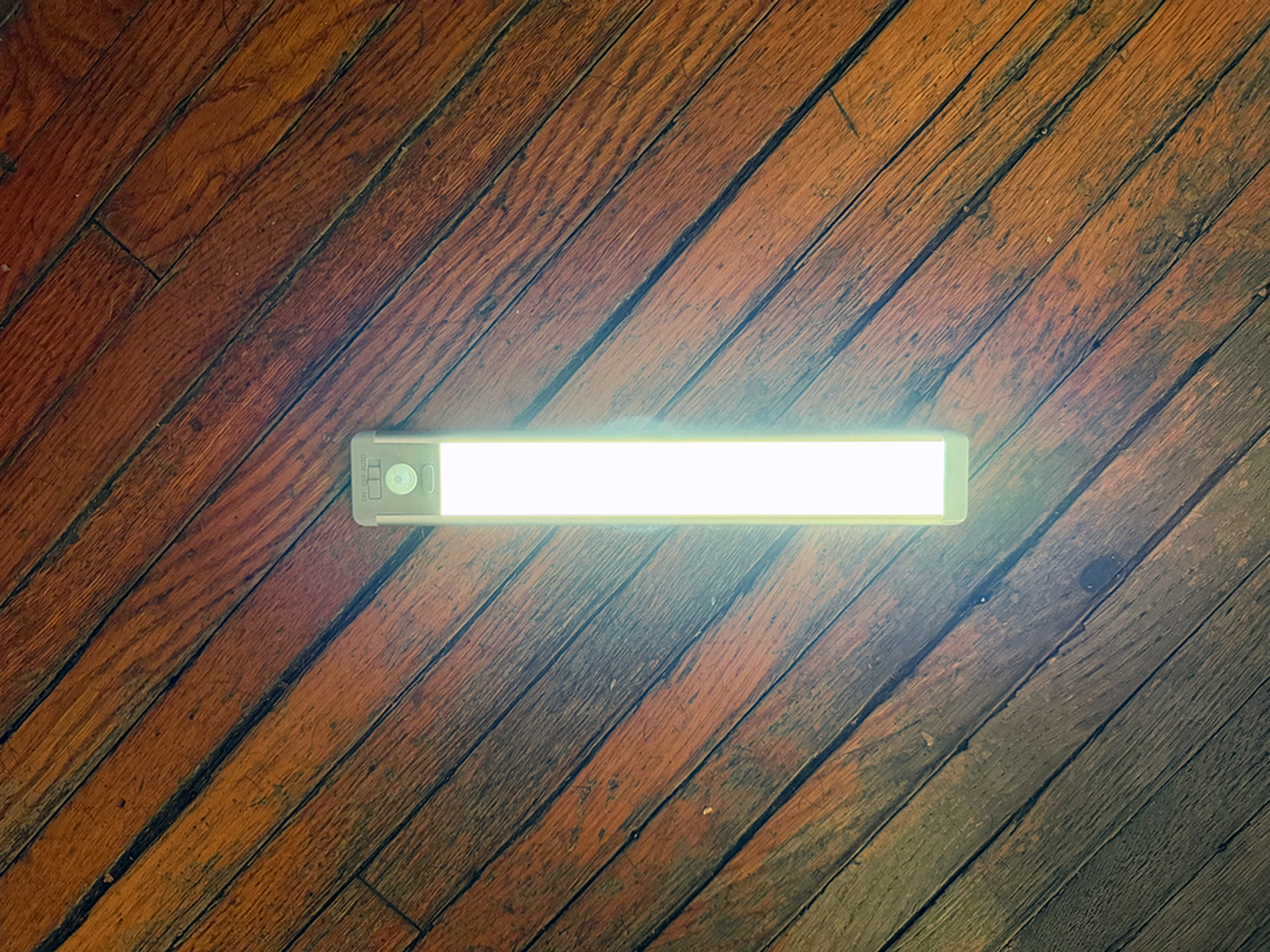
The Light Module
Your light is a rectangular rechargeable LED bar that includes the following features:
- A built-in rechargeable battery
- A push button to select multiple brightness settings
- A magnetic mounting system
- A flat, semi-compact rectangular design
- A light-emitting surface
- A USB-C charging port
- A mode button
- A light sensor (This is not a motion sensor)
Before developing ideas, investigate the attributes of the light. Determine:
- Where the light comes from on the device.
- Where the light sensor is located and how it is triggered.
- Where the button and charging ports are located.
- How the magnetic mounting works.
- How the light might be used vertically, horizontally, or at an angle.
- How the light behaves at different brightness levels.
- How translucent and opaque materials could interplay with it.
- What physical armatures might support the light in the pose you desire?
What Could This Light Become?
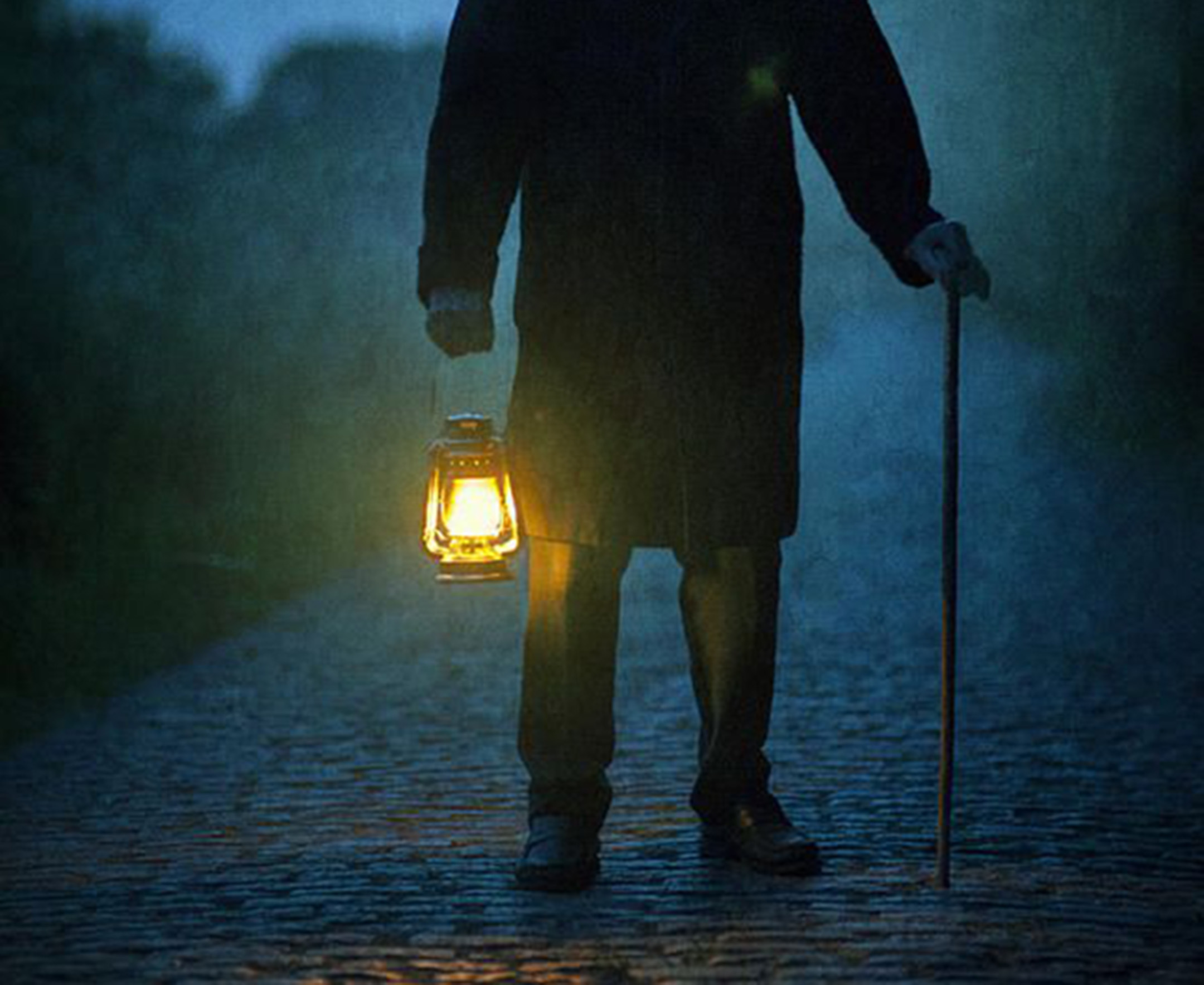
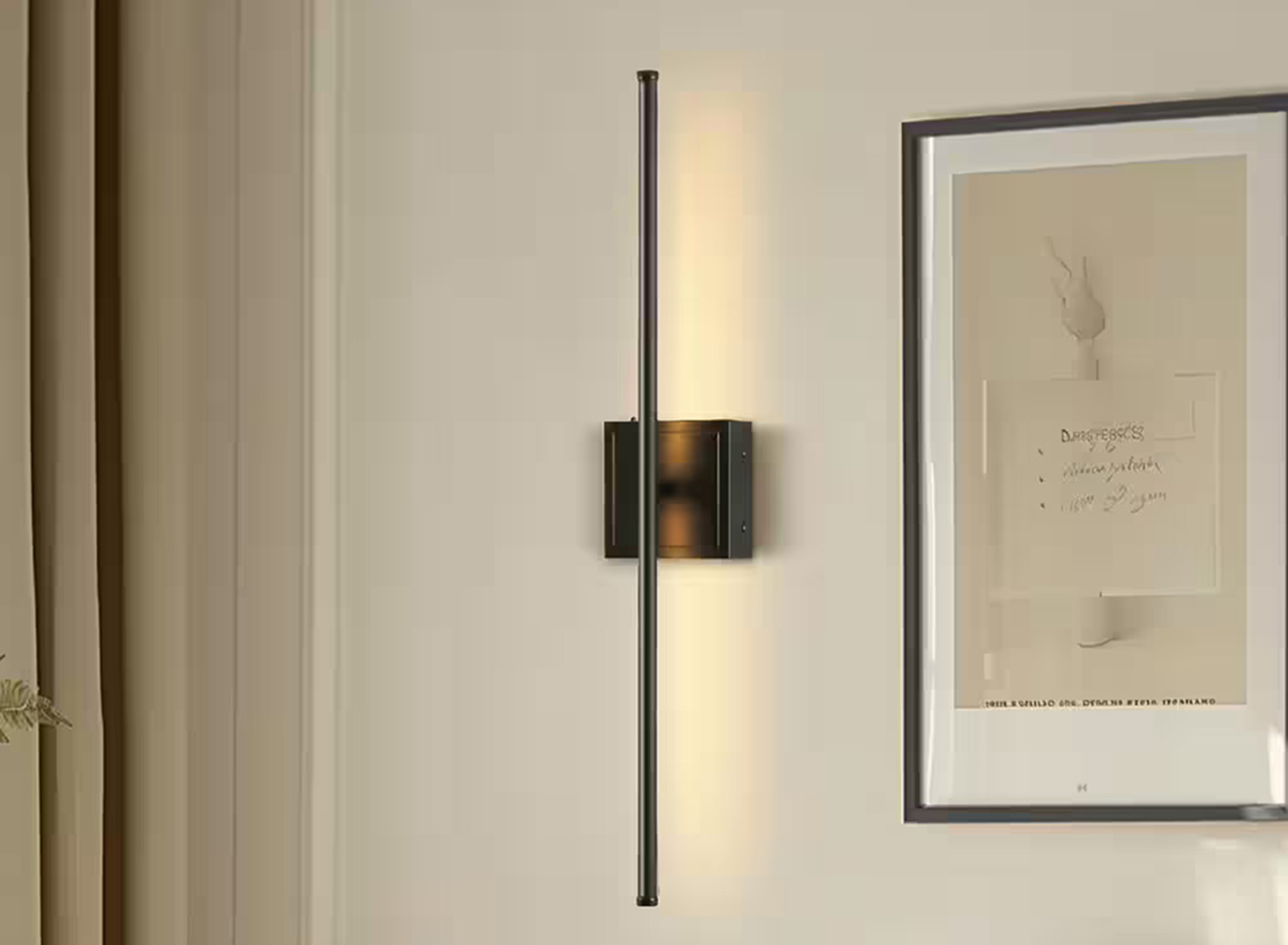
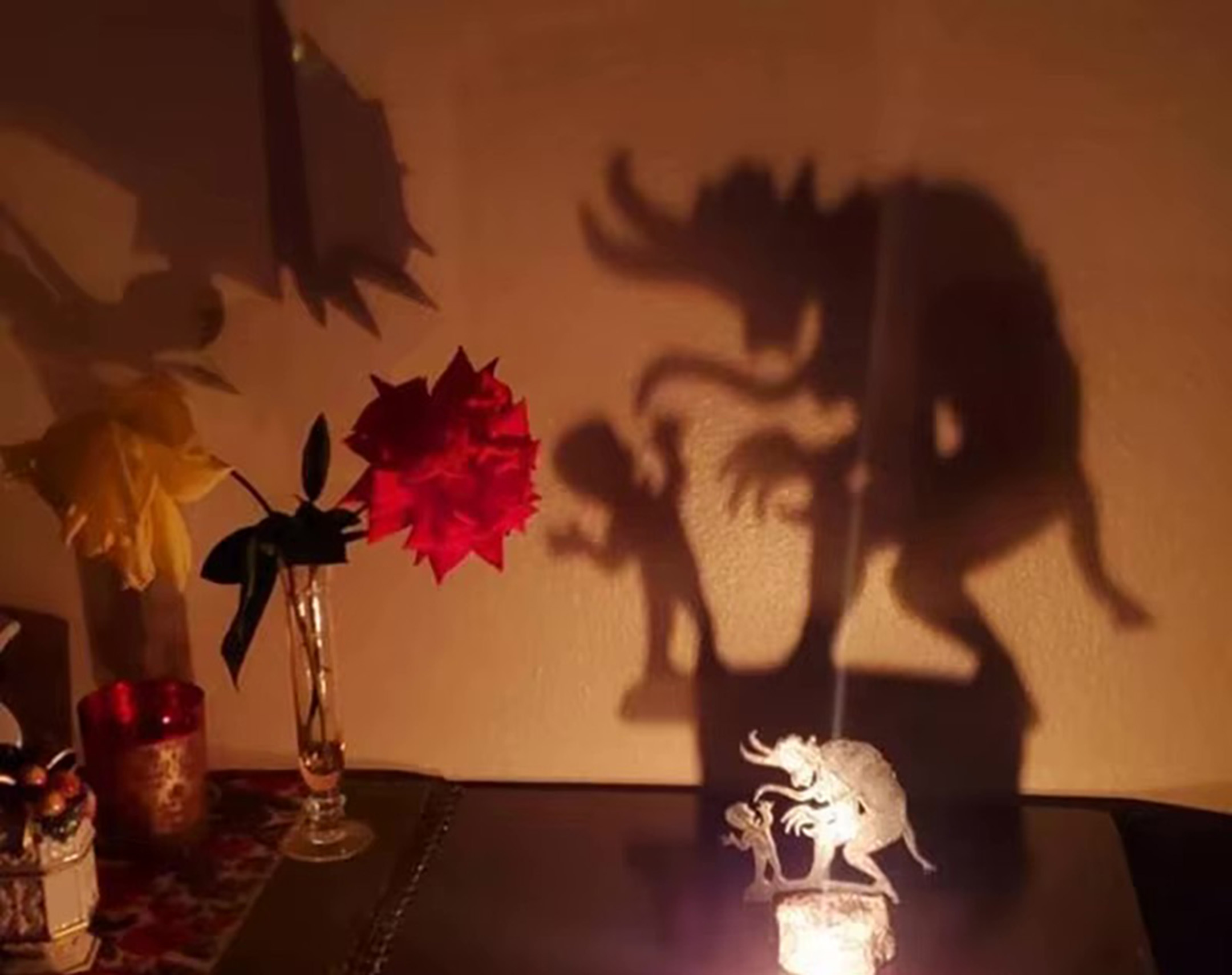
Use the examples below as thought starters. You may develop one of these ideas, combine several, or invent something completely different.
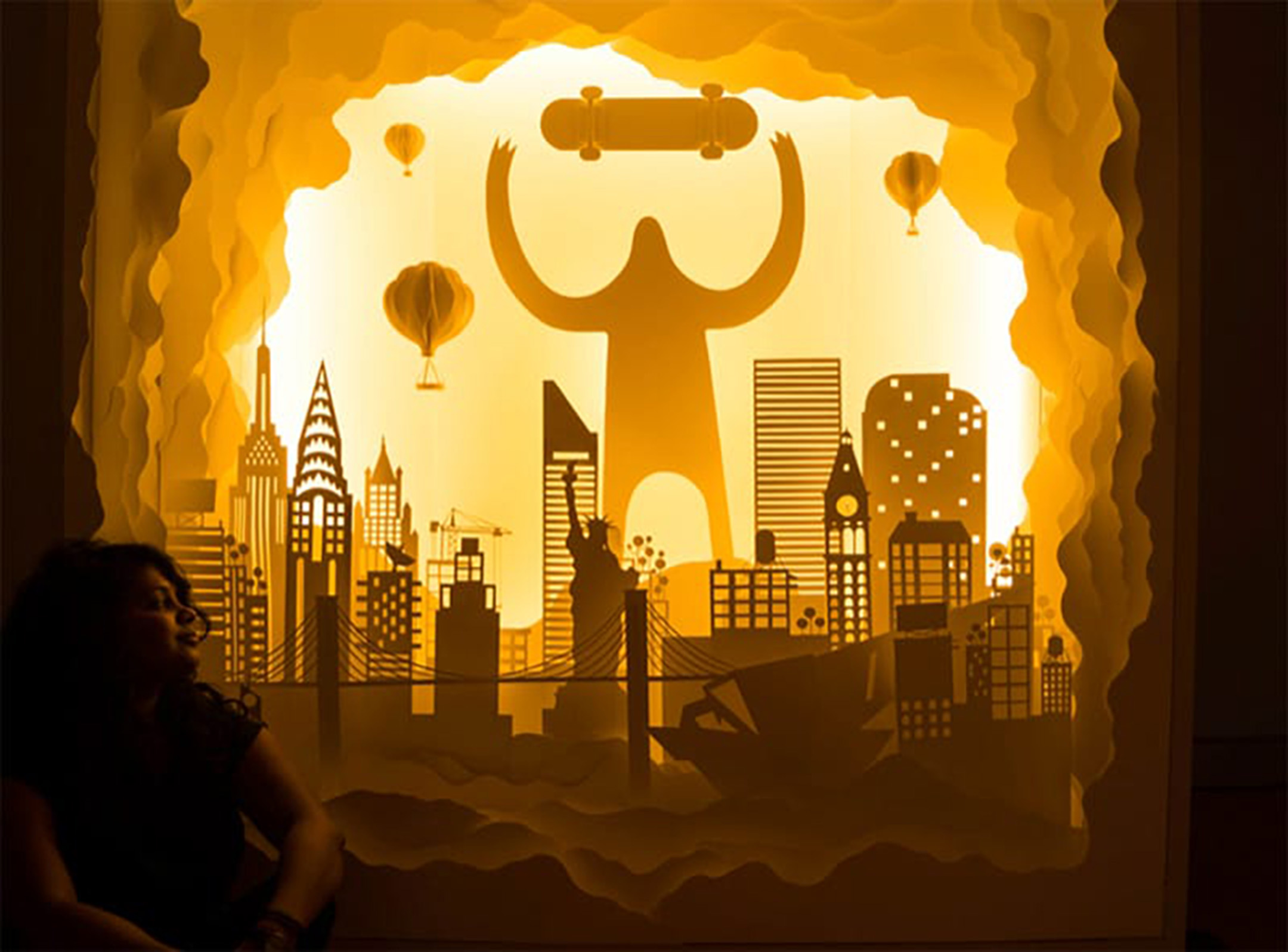
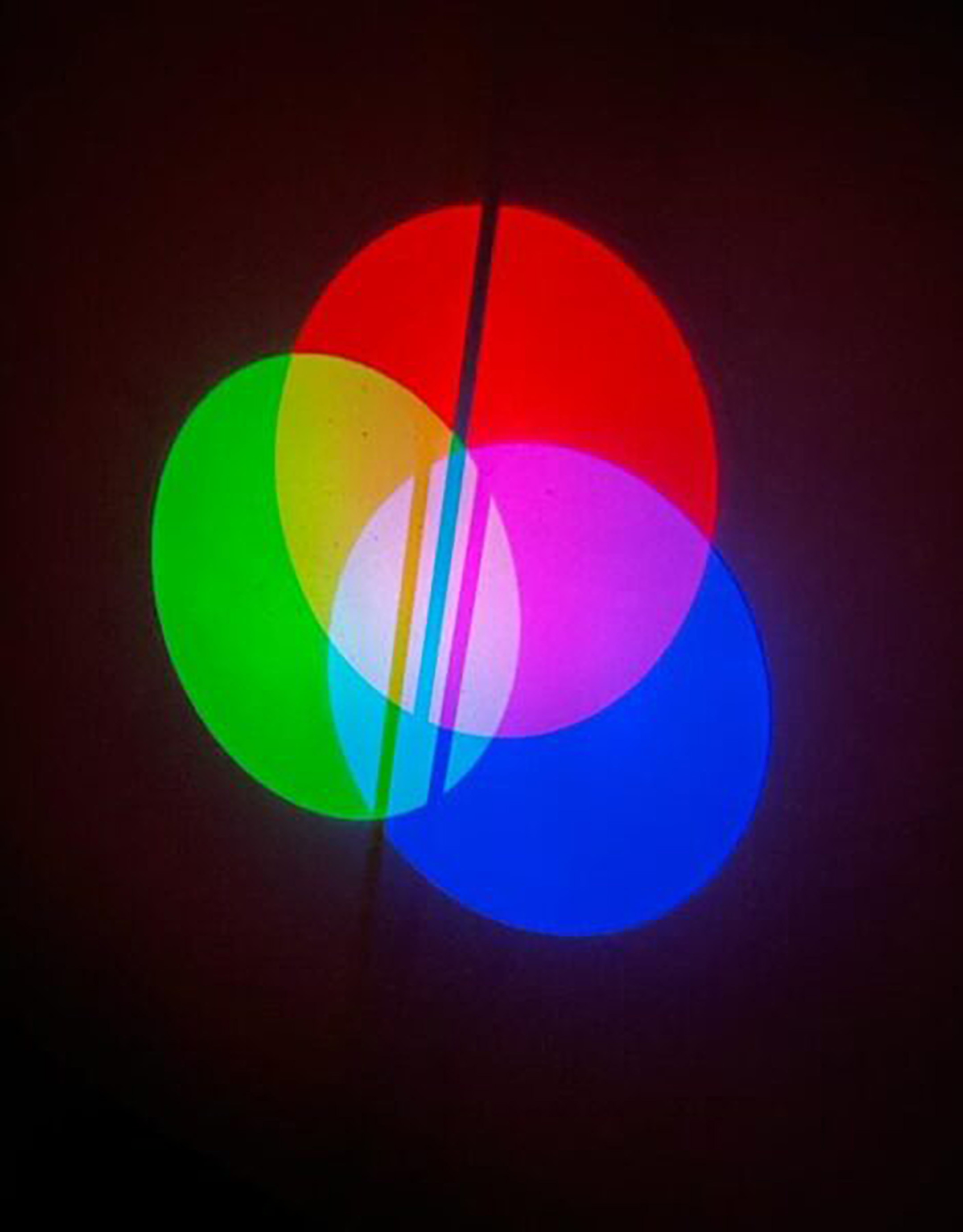
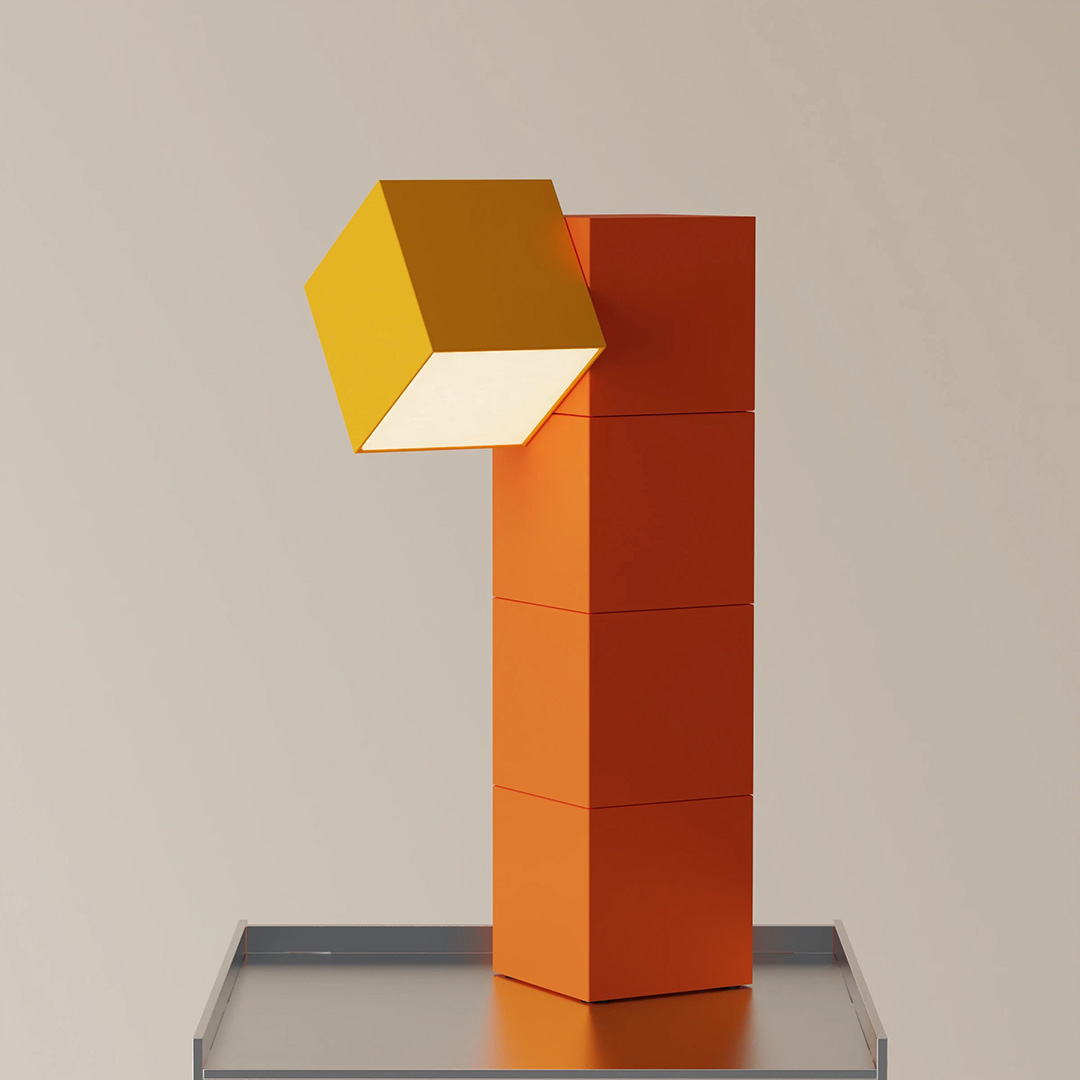
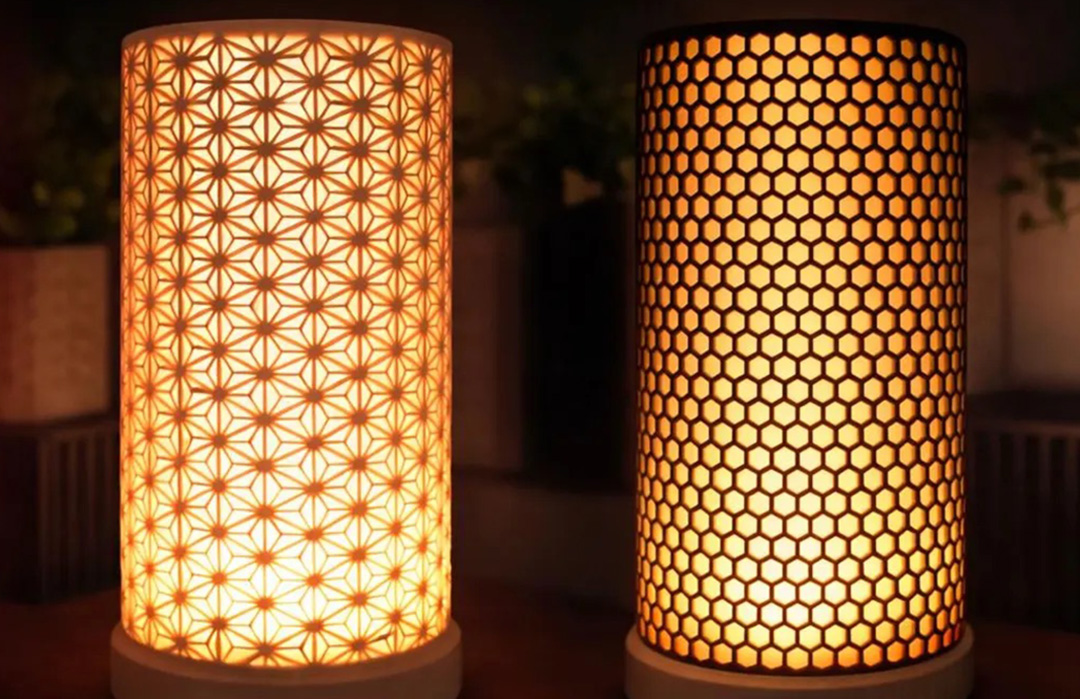
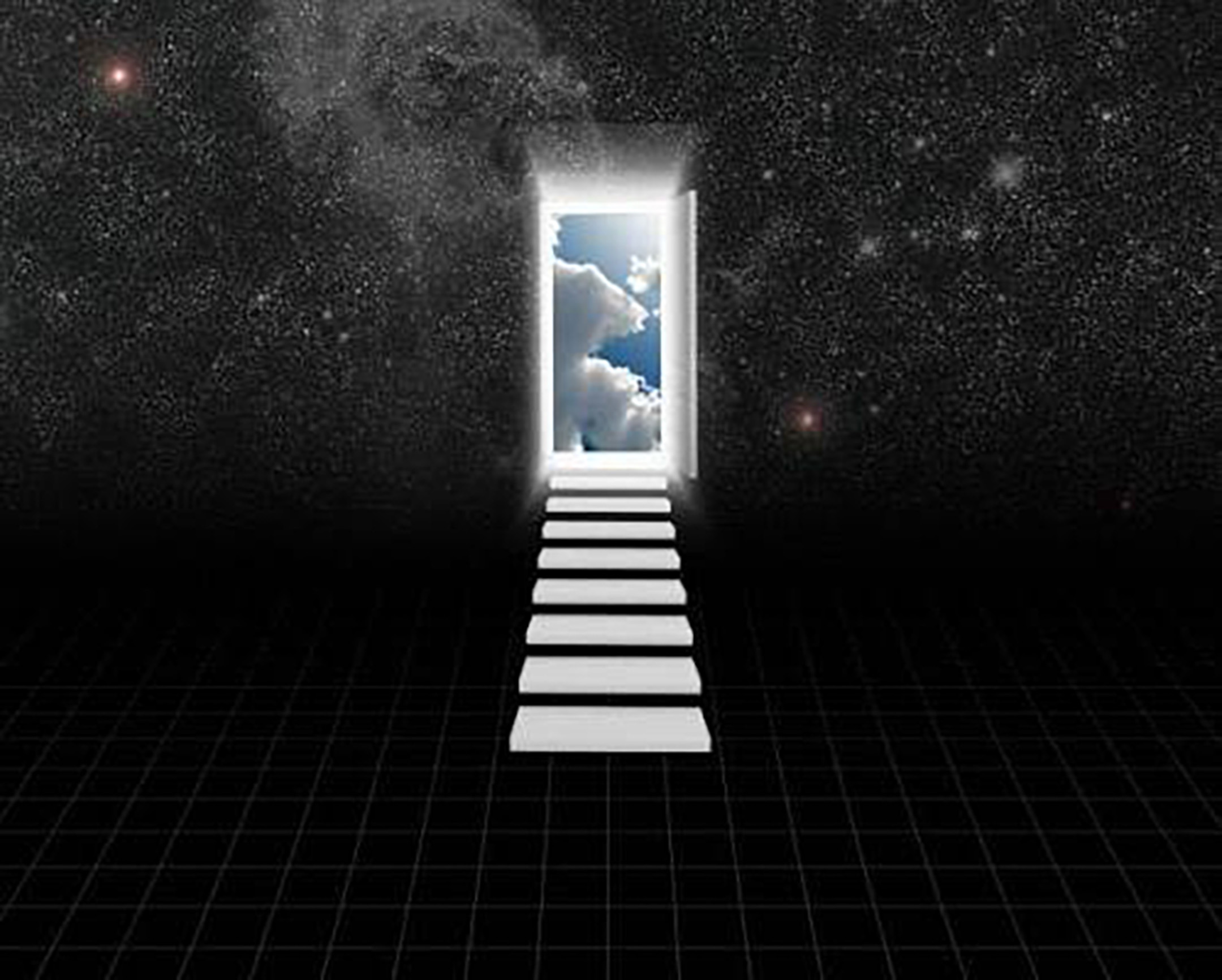
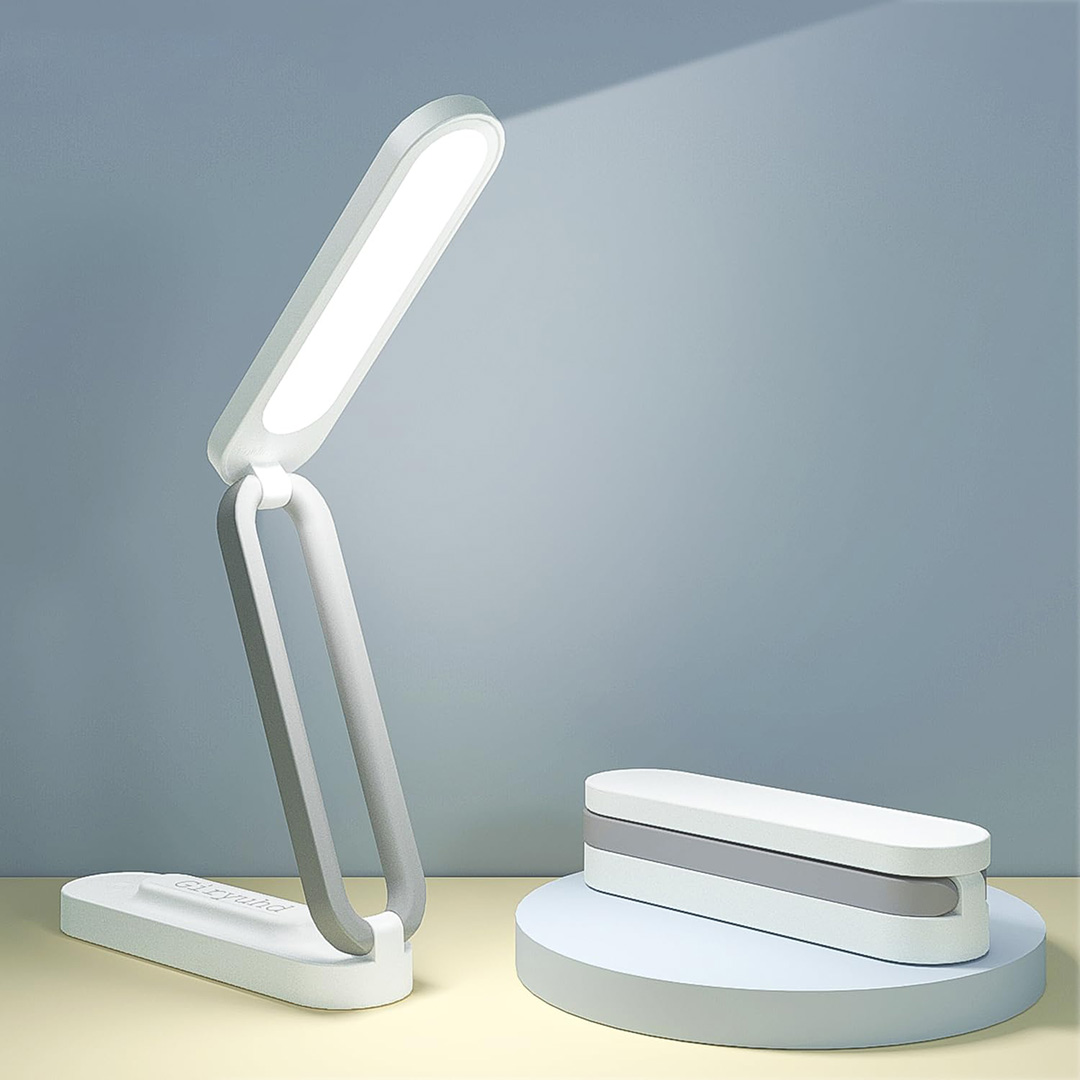
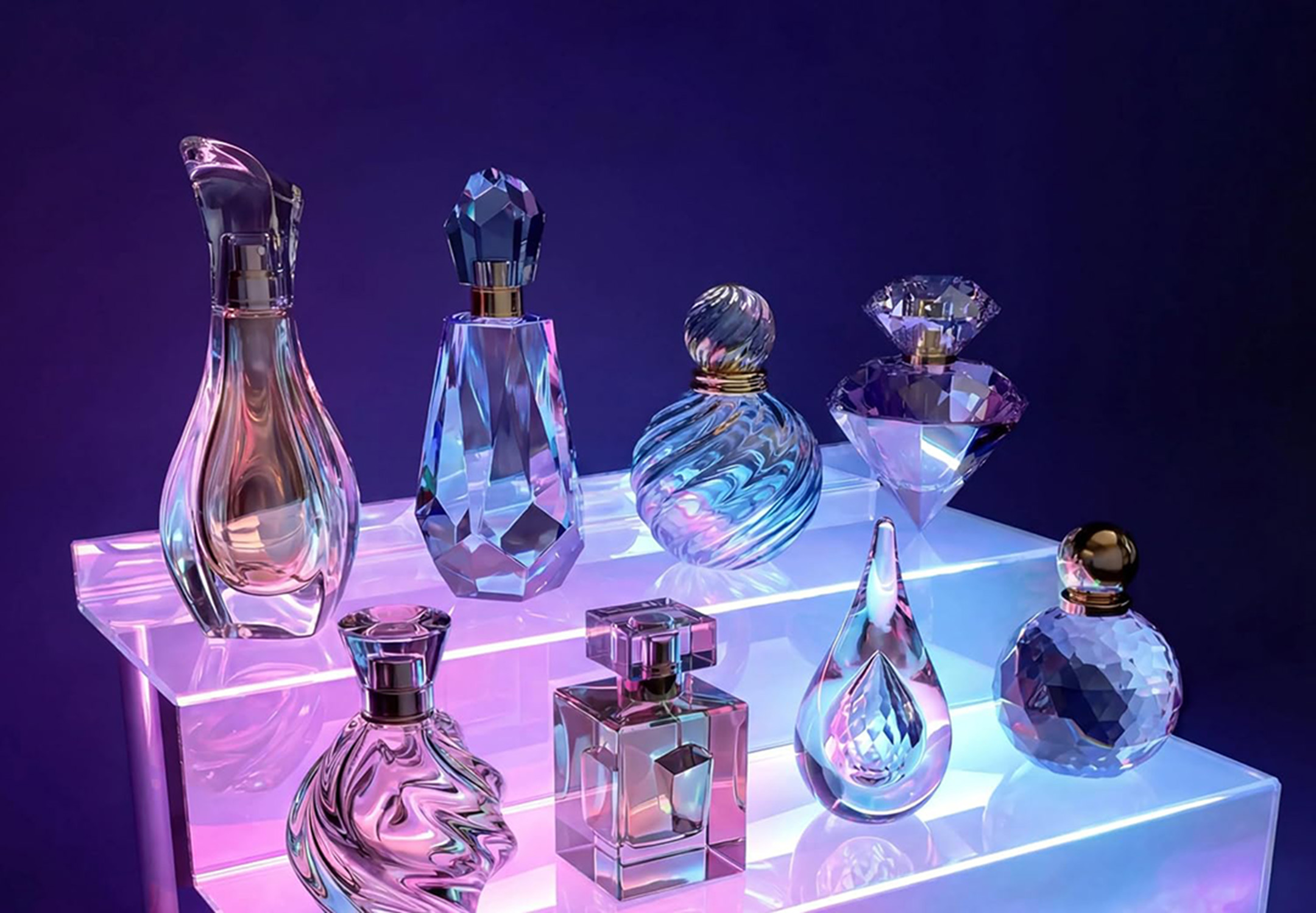
Or it could be one of these! 11. A Sign or Communication Device 12. A Light That Changes with Movement 13. A Small Architectural Model 14. An Art Object or Light Sculpture
Or something completely different.
Questions to Answer During Ideation
You should explore the following questions through sketches, notes, diagrams, or media experiments.
What can this thing do?
- Can it be carried?
- Can it be mounted?
- Can it hang?
- Can it rotate?
- Can it open?
- Can it project shadows?
- Can it change color or change the color of something?
- Can it reveal something hidden?
- Can it illuminate another object?
- Can it become part of a larger system?
What features does it already have?
- Light activation
- Rechargeable battery
- Multiple brightness levels
- Magnetic mounting
- Compact rectangular form
- Removable light source
- Built-in controls
How could the design emphasize, disguise, extend, or reinterpret those features?
Who is it for?
Consider a specific user or situation:
- A reader
- A child
- A camper
- A person entering a dark hallway for the first time
- A museum visitor
- A person working at a desk
- A photographer
- A person with limited mobility
- A person looking for something at night
- Someone who wants an atmospheric object
- A user in a fictional future
- A cave dweller
- A time traveler
How will they use it?
Describe a short scenario:
- A person enters a dark room.
- The light sensor activates the light.
- An acrylic structure reveals a pattern on the wall.
- The person approaches and removes the light from the housing.
What will the physical light and light beam(s) look like?
Explore:
- Shape
- Scale
- Color
- Transparency
- Texture
- Pattern
- Surface finish
- Shadows
- Glow
- Visible and hidden parts
How will it work?
Show:
- How the light is contextualized by its surroundings.
- How the user engages it.
- Is light sensing relevant to this experience? (Not a requirement)
- How can the charging port be accessed?
- Should the light be removable? If so, how?
- Should the light be affixed to another object? If so, how?
- Should the light be held or moved? If so, how?
At this stage, diagrams may be speculative. The goal is to communicate the intended experience, not solve every construction detail.
Phase A Deliverables
Prepare an ideation presentation containing:
- One rigorously considered concept. Start with a few and settle on your best one.
- Drawings, diagrams, mood boards, photographs, animation, video, or other media.
- Articulate the intended user or audience.
- Describe how the intended user(s) will use the light.
- Share how the light’s physical features contribute to your idea.
- At least one view showing the relationship between the light and the user.
- At least one example or thought starter of the intended lighting effect. What happens when the user engages the light?
- You do not need to prove that the idea can be easily or inexpensively fabricated yet.
Schedule
Session 1: Initial Ideation
We will:
- Examine the light modules
- Identify their features and limitations
- Test the light in different orientations
- Discuss possible users and situations
- Generate rapid concept sketches
- Begin collecting visual references
- Consider how the skills and practices you are developing in the class and in your life will shape the project
How to Start
Start this session by generating as many possibilities as possible. Do not spend the entire time refining one idea.
Group Ideation
Do not leave this class without having shared your idea with a group of people for their thoughts, questions, and feedback.
SessioConclusion
Continue thinking about this project as you move throughout your days and nights this week.
Session 2: Ideation Wrap Up & Concept Development Session
Develop your ideas into a clear presentation.
During this class, you should:
- Expand your initial concepts
- Develop at least three different directions
- Test color and transparency ideas
- Make quick paper or cardboard studies if useful
- Create diagrams showing how the light might be housed or used
- Develop mood boards or material references
- Create an animation, video, or sequence if movement is important
- Select the concepts you want to share with your group
- Prepare your presentation
Session 3: Idea Presentation and Group Exchange
You will share your ideas with your previously assigned classroom group:
- Jake row
- Finn row
- BMO row
The purpose of the group exchange is to identify:
- Strong ideas
- Shared themes
- Interesting uses of the light
- Possible families of related objects
- Ideas that might be combined
- Ideas that should be developed further
- Questions that need to be answered before fabrication
Each student should be prepared to explain:
- What is the idea?
- Who is it for?
- How is the light used?
- How do other objects, environments, and humans/animals respond to the light?
- What will the user see, feel, or experience?
- What makes the idea intriguing?
Group Discussion
After each student presents, group members should respond to the concept rather than immediately judging whether it is easy to make.
Useful questions include:
- What is the most interesting part of this idea?
- What does the light do in this concept that it could not do by itself?
- What is the user’s experience?
- What would happen when the light sensor activates?
- How does the transmission of light affect the idea?
- Is this primarily a tool, a lamp, a display, a sculpture, a fictional object, or a combination?
- Could another student’s idea be combined with this one?
- What should be tested first?
- What question should the fabrication phase answer?
Ideation Rubric: 8 Points
| Criteria | Points |
|---|---|
| Understanding of the light module | 2 |
| User and use scenario | 2 |
| Development of form and lighting experience | 2 |
| Communication, participation, and presentation | 2 |
| Total | 8 |
Understanding of the Light Module: 2 points
2 points: Investigates and meaningfully responds to the light’s actual features, such as its light sensor, rechargeable battery, brightness settings, magnetic mounting, controls, physical form, and removable nature.
1 point: Shows some awareness of the light’s features but uses them only generally or superficially.
0 points: Treats the light as a generic light source without investigating or responding to its specific qualities.
User and Use Scenario: 2 points
2 points: Clearly identifies who might use the object, where it would be used, and what would happen during use. The concept includes a specific and understandable situation or sequence.
1 point: Suggests a user or setting, but the use scenario is incomplete, vague, or underdeveloped.
0 points: Does not identify a clear user, setting, or purpose.
Development of Form & Lighting Experience: 2 points
2 points: Clearly explores what the object might look like, how it might be formed, and what the user might experience through light, color, transparency, shadow, glow, movement, or activation.
1 point: Communicates either the general physical form or the lighting experience, but not both in a developed way.
0 points: The proposed form and lighting experience remain unclear.
Communication, Participation, and Presentation: 2 points
2 points: Uses drawings, diagrams, mood boards, video, animation, physical studies, or other media effectively. The student is prepared to present their ideas and contributes constructive observations during the Jake, Finn, or BMO group discussion.
1 point: Communicates the general idea, but the presentation is incomplete, difficult to follow, or minimally supported by visual material. Participation is limited.
0 points: Is unprepared, does not clearly communicate the idea, or does not meaningfully participate in the group exchange.